

Creating Impact
How do our partners create impact?
Read about our theory of change in detail in our White Paper.
Our partners’ models share two foundational characteristics…
Small-scale: Each student matters to the baseline functions of the community; small enough that they can easily see their actions, and inactions make a difference. In intimate settings, it’s intuitive to feel belonging to something larger than yourself.
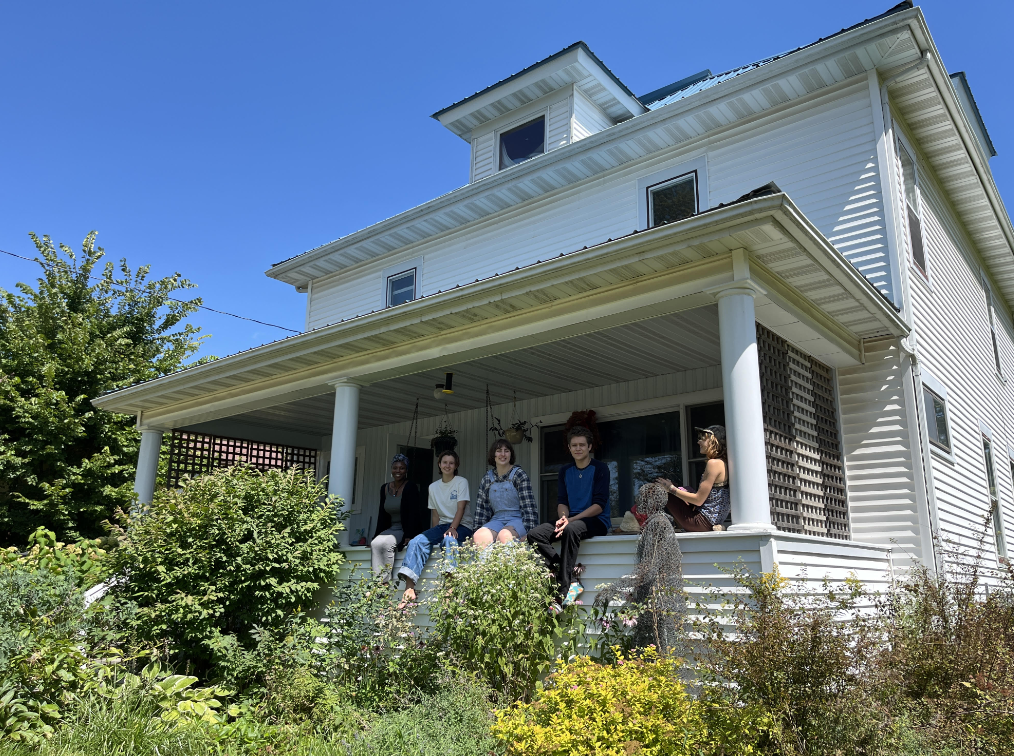
Communal Living:An environment where students are given ownership over choices of consequence to the community, so that the quality and outcome of their engagement matters.
…which help students see themselves as capable changemakers.
Said best in the words of novelist Haruki Murakami, these models are an education based in “a steady accumulation of small realities” rather than just “words and promises.” Students build repositories of times that they exercised agency, rose to the occasion, and made material differences in people’s lives. These programs “serve as incubators where the promise of how we can live, learn, recognize, and care for each other [becomes] a reality on a small scale ... [and they] inspire learners to understand themselves as capable changemakers”.
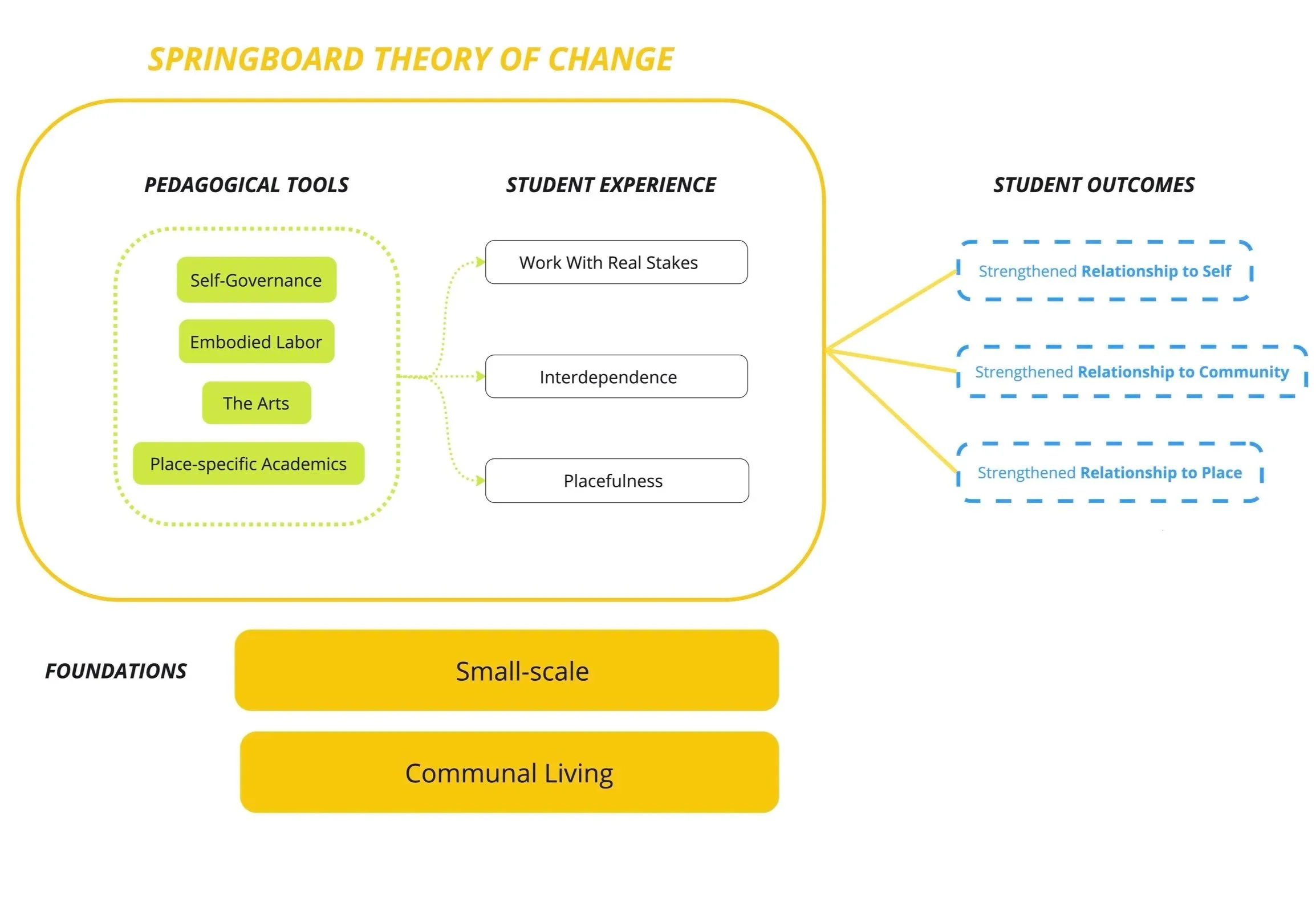
This is our Theory of Change for how this approach to education works.
… and use unique tools that make an outsized impact.
-
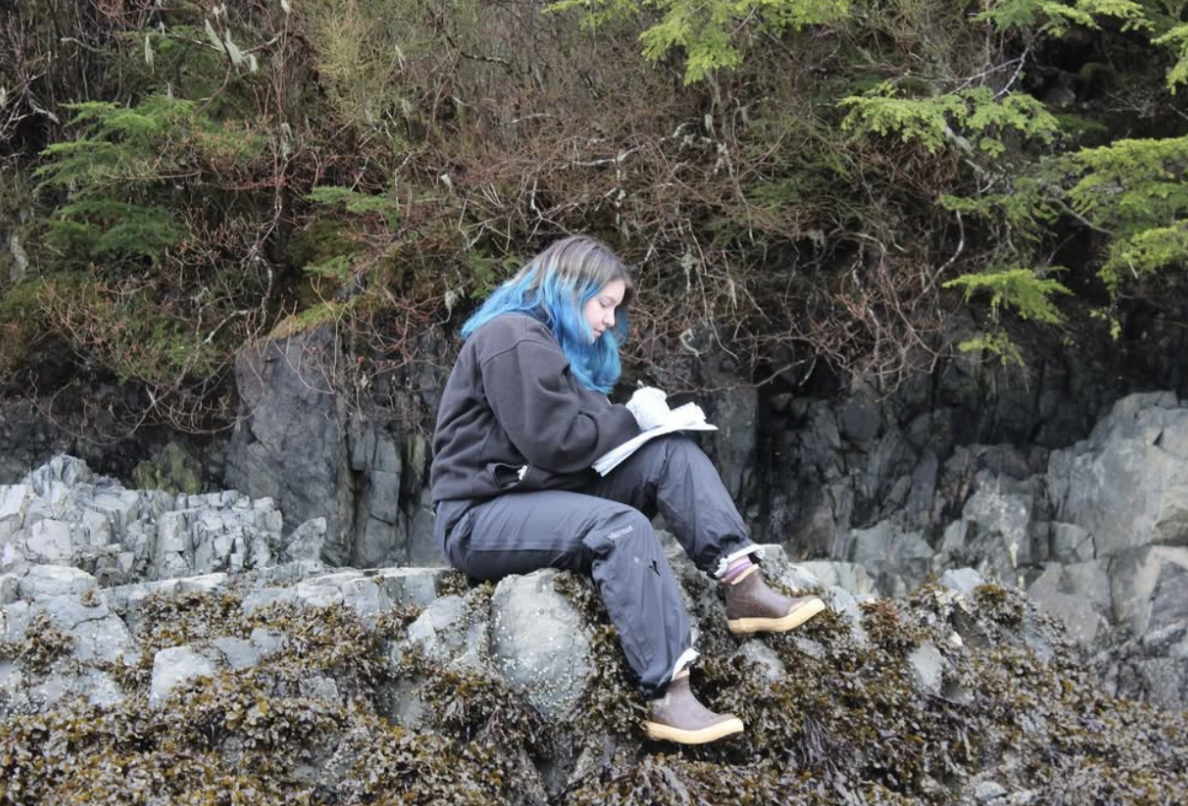
‘Place-based learning’ is now commonplace (a local field visit or place-oriented project in a unit), but the place-specific academics that our partner institutes employ is radically robust by tailoring their educational processes and principles to the land of their region. Institutes offer curriculum from how the particular land around them was formed and how to farm regeneratively on it, to a required course on the Indigenous language of the region, taught by an extended faculty of local culture bearers, teachers, foragers, farmers. Place-specific academics complements the embodied, daily experience of the program by acting as places where students can grapple with the ethical, political, and historical questions that surface from their daily experience with land and place. A true dialectic emerges between the ‘library and the field’.
-
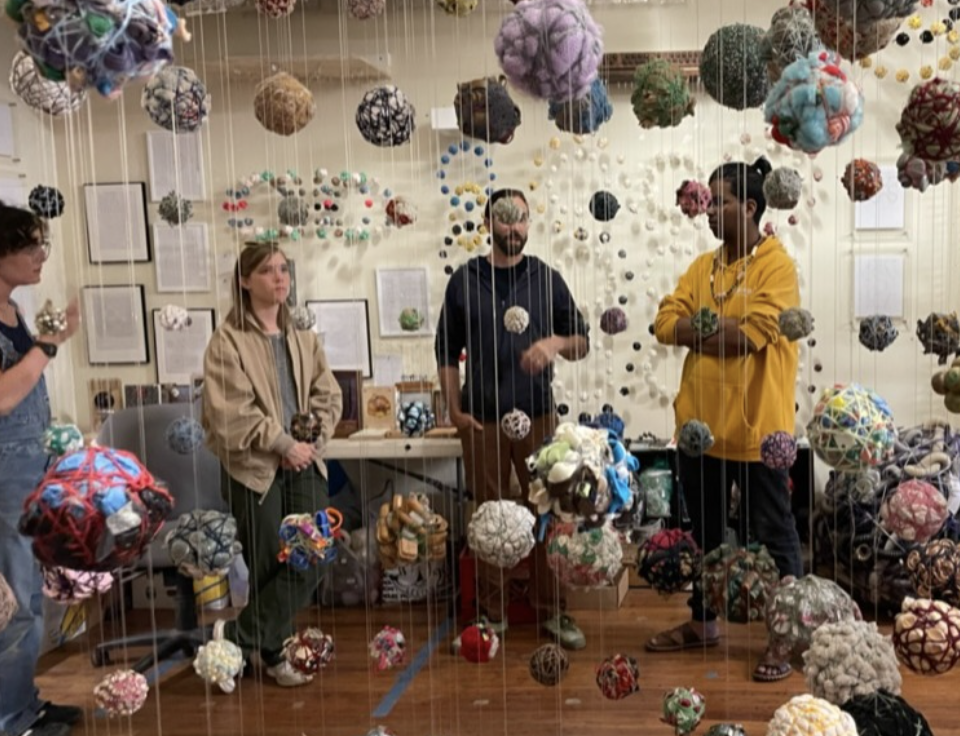
Creative expression helps us make sense of ourselves and the world. A focus on not only artistic practice, but artistic process means students learn processes of experimentation, risk-taking, and reflection that can translate to living and learning well in community. We see the arts as serving two important roles. First, they invite students to develop their sense of attention and ways of noticing – “by being sensitized to movement, form, sound, and the other media of the arts, students get a firmer control of himself and his environment than is possible through purely intellectual effort.” (John Rice, Black Mountain College) Second, the arts help us practice translating between the world of thinking, analyzing, conceptualizing… into a world of acting, making, and bringing things into being (Natalia Eernstman, Black Mountains College, Wales)
-
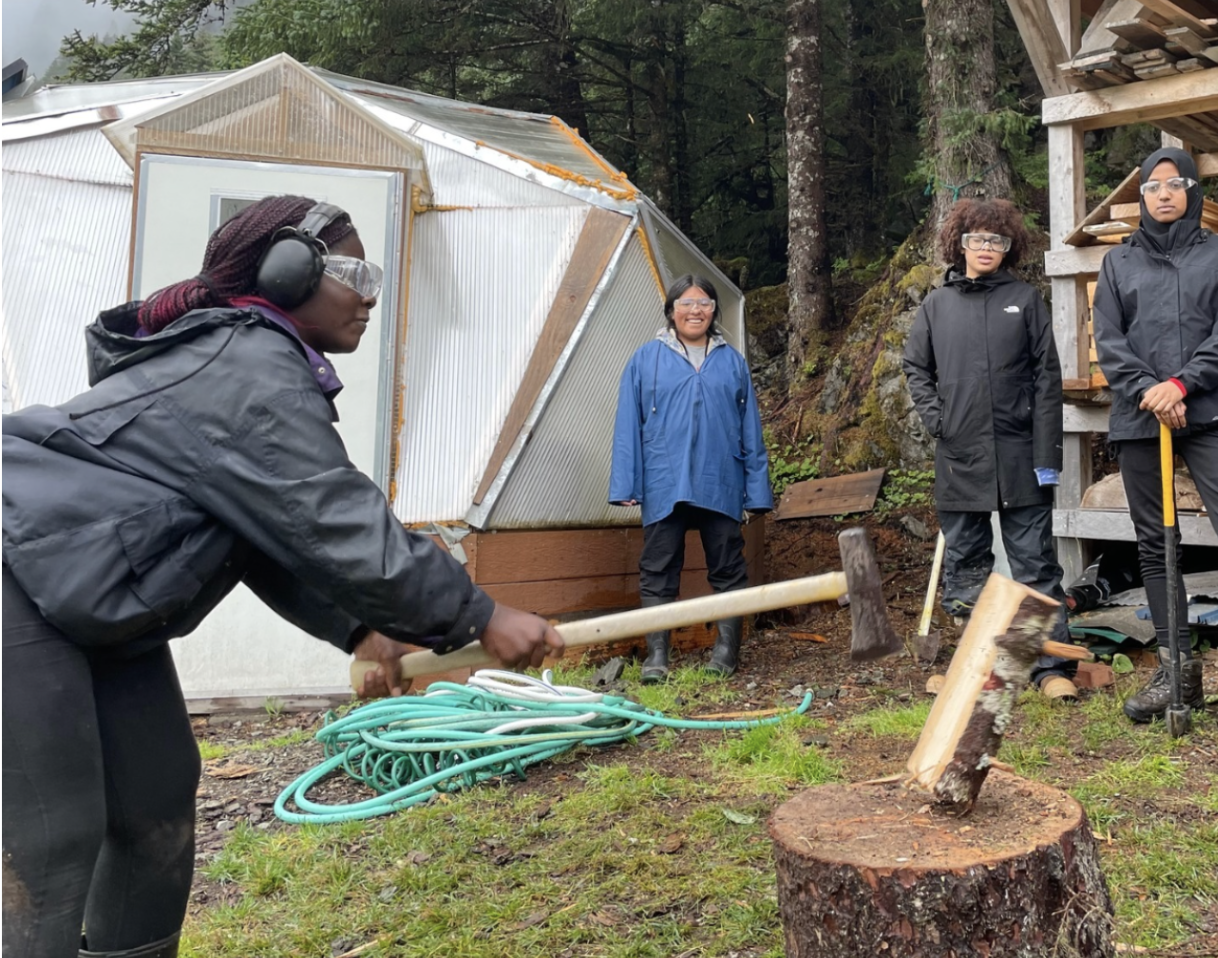
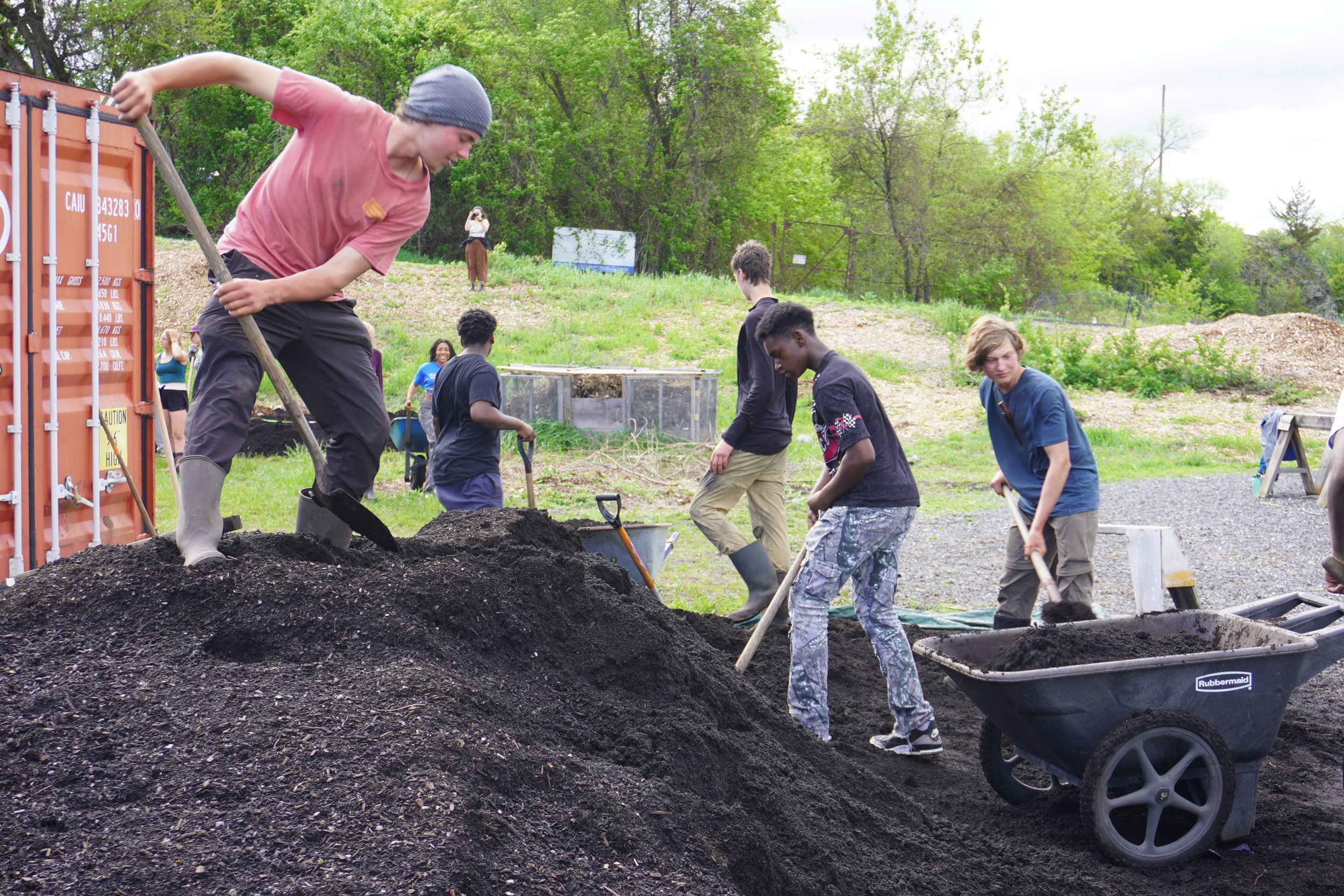
Embodied labor means work with your hands, and work that serves other people; manual skills to create and sustain a community’s resources. Students garden, work on greenhouses, tend to animals, and do necessary maintenance on campus. Students harvest and preserve a bounty of foods – from fiddleheads to salmon to berries – for eating and also to give to the local community and provide to local elders. Others learn to butcher chickens, pigs, and deer. Some engage in substantial construction and building maintenance work where students design-and-build infrastructure upgrades anywhere from chicken coops to entire new residential buildings.
-
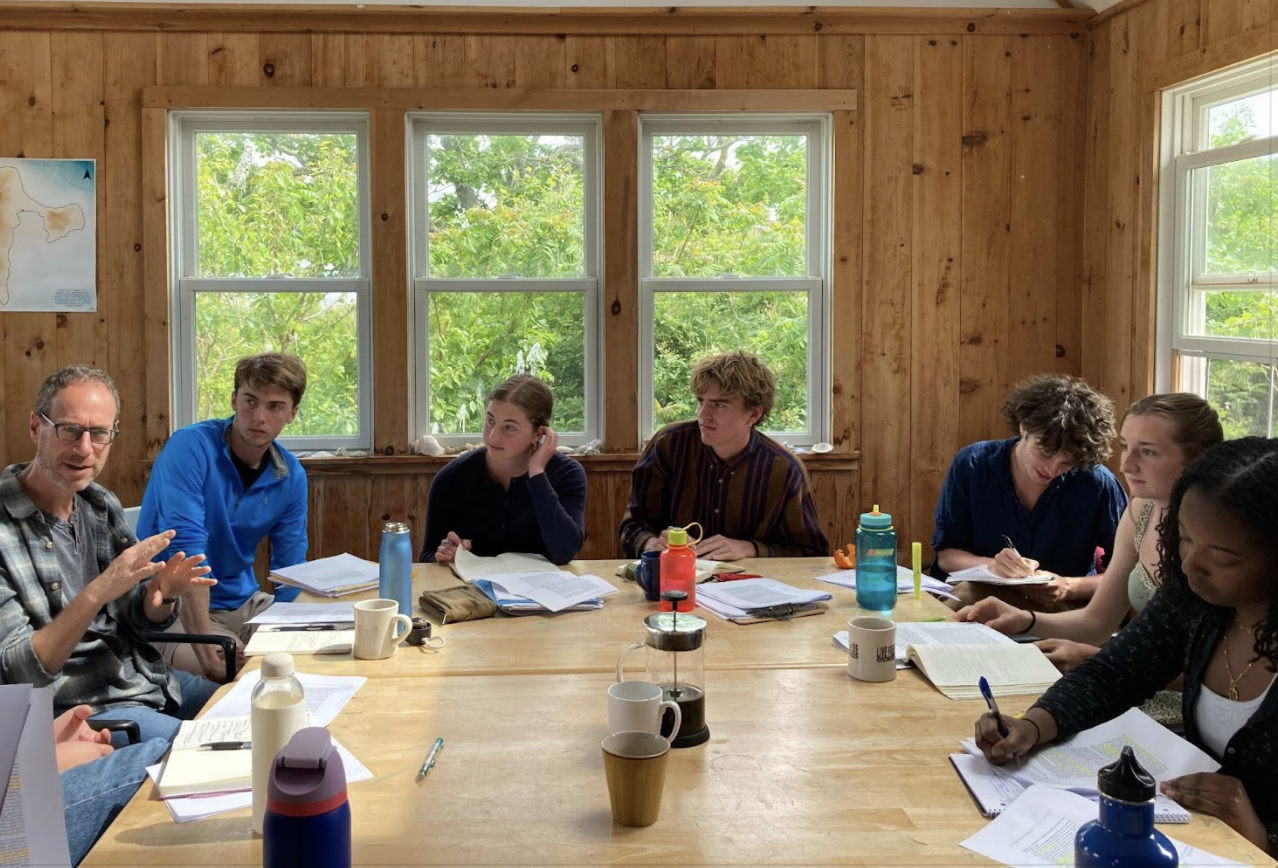
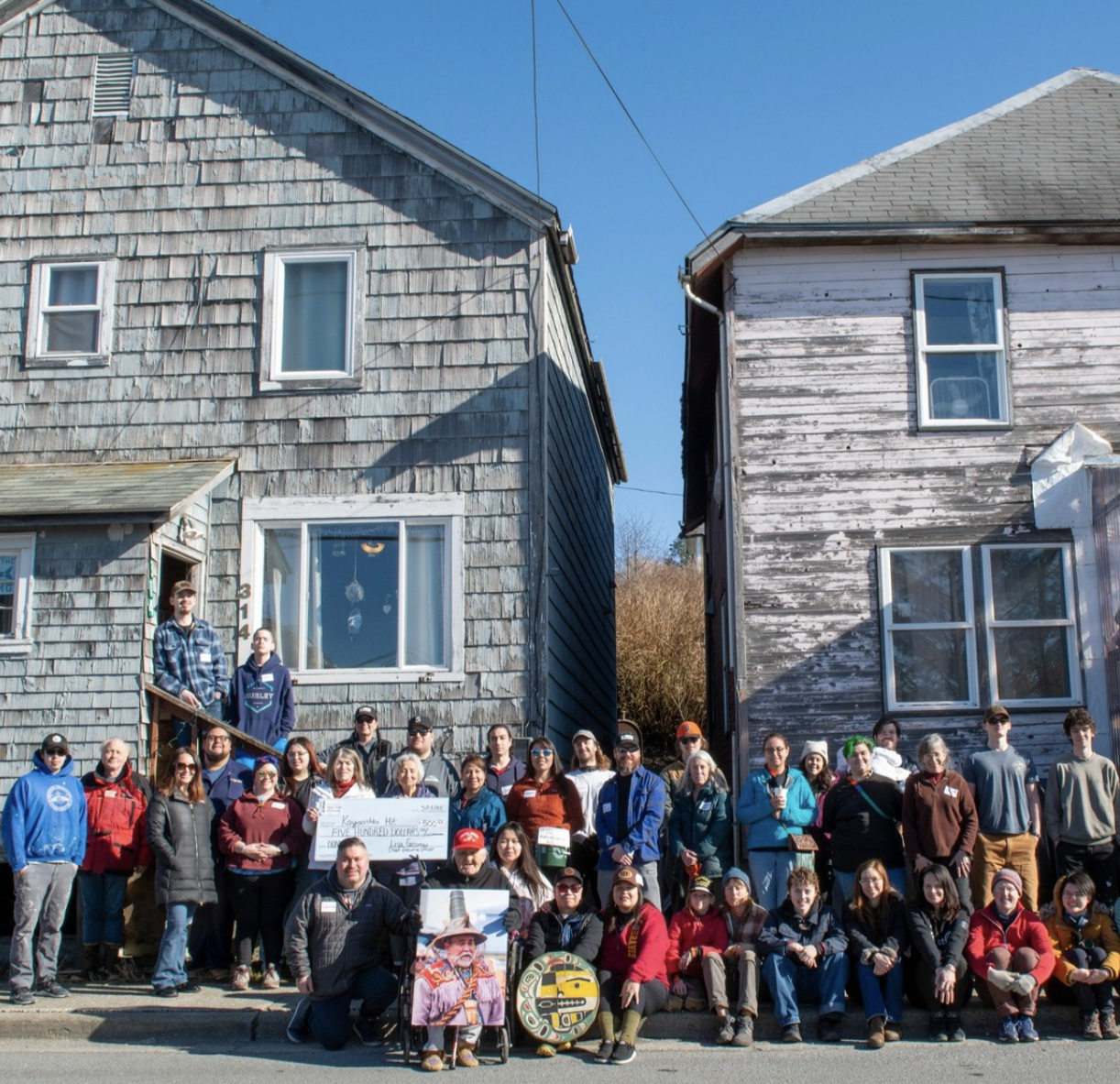
Students are entrusted with ownership over how they live and learn, and have the autonomy to make decisions that are consequential to the institutions’ future. Students form their own democratic systems and structures to make decisions; the topics range from the mundane (choosing a system for doing the dishes) to the complex (determining accountability and disciplinary processes, running the student admissions and faculty hiring processes). This is a pedagogy not about negotiating power, but learning to live well together, to develop capacity for initiative, and create processes that feel generative, fair, inclusive, and creative.
Place-Specific Academics
The Arts
Embodied Labor
Self-Governance
The result is transformative educational conditions…
Through participation in communal, democratic living of this kind, students experience
interdependence,
work with real stakes, and
placefulness.
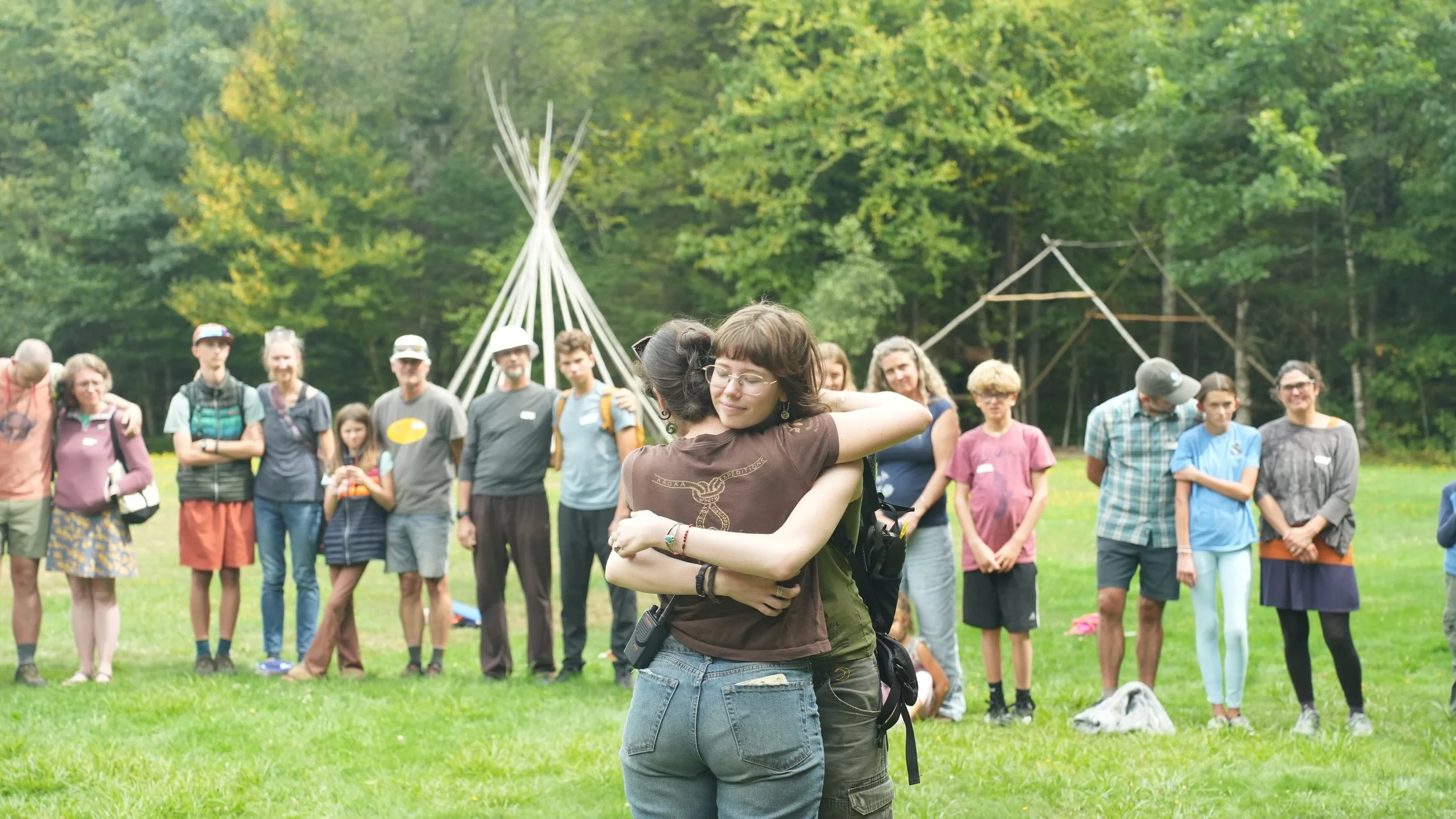
What does this look like? Students see their success as individuals tied to the success of the group. Communal living and self-governance train students’ instincts to consider each other’s needs in a profound way, and put a premium on their attention to their relationships. Students add value for others, and feel valued by others, interdependent at the intersection of power, responsibility, and community. Students engage with work that has real consequence; either through hands-on, tangible projects, or through important community decision-making.

The distillation of micro-college principles is enormously helpful to map our own communal practices and collective processes onto a clear, shared vocabulary. We were deeply moved and felt a renewed sense of hope and purpose reading Springboard’s report. I can’t say enough about how motivating it feels to be part of a growing movement, not just an isolated “alternative education” program.
- Dr. Isabela Granic (Executive Director of Liminal Learning)